

Seeds of Sovereignty: How the Founding Fathers Fought for Food Independence
When we picture the birth of America in 1776, we usually think of inkwells, parchment, and muskets. We picture men in woolen coats debating the fate of a nation in a stuffy Philadelphia room.
But if you were to ask George Washington or Thomas Jefferson how they defined themselves, they wouldn't have said "politician" or "general."
They would have called themselves farmers.
For the Founding Fathers, true freedom wasn't just a political philosophy—it was rooted directly in the soil. They understood a fundamental truth that many have forgotten today: You cannot have true independence if you are entirely dependent on someone else to feed you.
The Master Gardeners of the Revolution
Long before they rebelled against the British Crown, America's early leaders were obsessed with agriculture. They viewed the introduction of new, resilient crops to American soil as a profound act of patriotism.

Thomas Jefferson: The Culinary Diplomat
Thomas Jefferson's 1,000-foot-long terraced garden at Monticello was a living laboratory. He cultivated over 330 varieties of vegetables and 170 fruit varieties. Jefferson used his time diplomatic travels to smuggle unique seeds back to America (including high-quality rice hidden in his pockets!).
- What he grew: He was particularly fond of heirloom varieties like Prickly Seeded Spinach, Tennis Ball Lettuce (a precursor to modern butterhead), and early peas, which he turned into a neighborly competition every spring to see who could bring the first bowl to the table.
George Washington: The Practical Innovator
At Mount Vernon, George Washington moved away from soil-depleting tobacco to focus on crops that could sustain a nation. He was deeply concerned with self-reliance, keeping meticulous records of his planting schedules and crop rotations.
- What he grew: Washington grew vast fields of wheat, corn, and root vegetables like turnips and carrots. He recognized that a young America needed hearty, calorie-dense foods that could store well through harsh winters.

The 1776 Preservation Crisis: Myths vs. Reality
When we think of long-term food preservation today, we immediately think of tin cans or mason jars. But modern canning didn’t exist in 1776. The process of boiling food in airtight containers wasn’t invented until 1809 by French chef Nicolas Appert.
Instead, the Revolutionary generation had to survive using sheer ingenuity—relying heavily on drying, pickling, salting, smoking, and root cellaring to stretch their summer harvests through the winter.
However, a stunning recent discovery proved just how brilliant early American food preservation really was.
During a massive revitalization project in November or 2023 in the cellar of Mount Vernon, archaeologists made a historic find: 35 glass bottles from the 1700s buried beneath the floorboards. Inside 29 of those fully intact, sealed glass bottles were perfectly preserved cherries and gooseberries, still suspended in liquid.
They were likely forgotten when Washington rushed off to command the Continental Army in 1775.
When unsealed centuries later, the contents remarkably still bore the unmistakable scent of fresh cherry blossoms.
The Agricultural Struggles of 1776
Achieving food independence wasn't easy. The farmers of 1776 faced monumental struggles that threatened to crush the young nation before it even took its first breath.
- The British Blockade: When the Revolutionary War escalated, the British Royal Navy blockaded American ports. Communities that relied heavily on imported European seeds and goods were suddenly cut off.
- Vicious Pest Outbreaks: Without modern solutions, a single infestation of the Hessian fly or armyworm could wipe out an entire region's wheat supply, triggering localized famine.
- Extreme Weather & Poor Tools: Tools were forged heavily from iron and wood by hand, making manual labor grueling. A late frost or prolonged drought meant total crop failure, with zero safety nets.
Those who survived were the independent homesteaders who had learned to save their own heirloom seeds year after year. These open-pollinated seeds adapted over generations to survive local droughts, pests, and frosts. They were the original survival insurance policy.
Cultivating Your Own Victory Garden Today
Fast forward to today. While our grocery stores look full, our modern food supply chain is fragile, relying on long-distance transportation and just-in-time delivery systems. A major storm, grid failure, or economic shift can empty shelves in a matter of hours.
You don't need a 1,000-foot garden plot like Jefferson to secure your family's food supply. You can build your own baseline of food independence right in your backyard, on a patio, or even in raised beds.
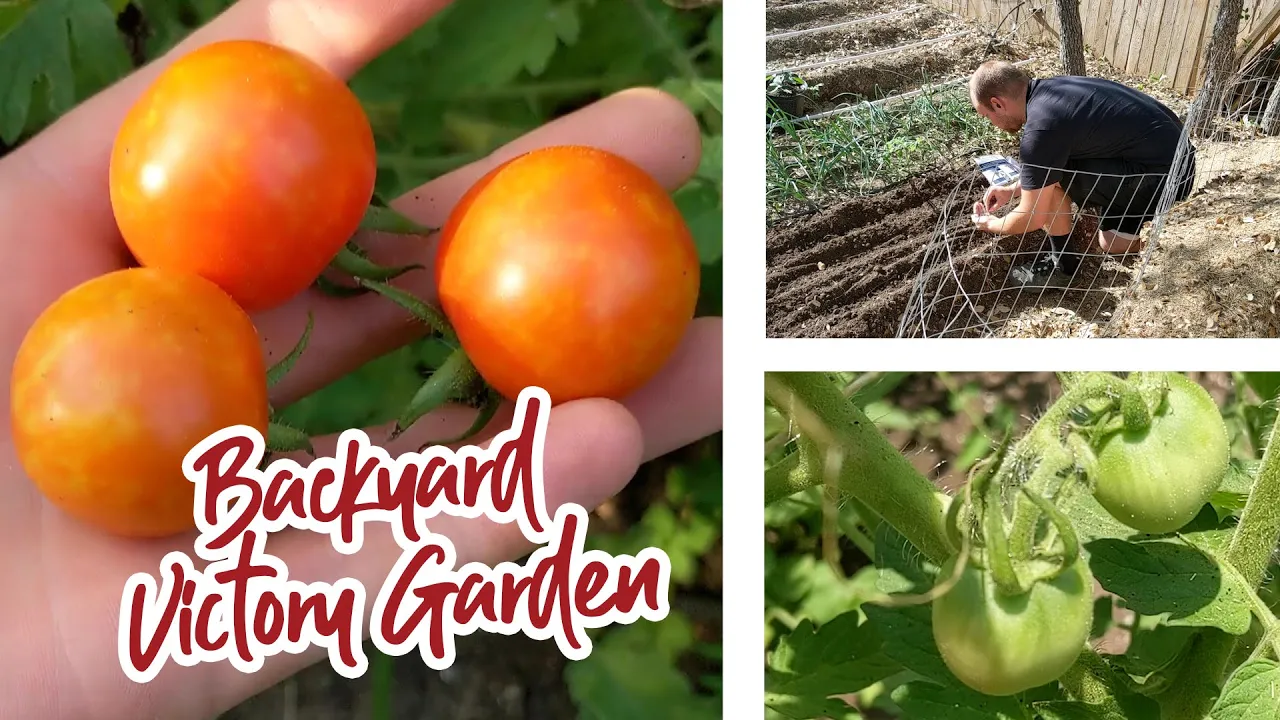
Plant the Seeds of Self-Reliance
The Founding Fathers knew that the ultimate freedom is the ability to sustain yourself. If you want to take a page from their playbook and claim your own piece of food independence, the best time to start is before you actually need it.
To help you take that step, the 4Patriots Victory Garden Non-GMO Heirloom 9,000 Seed Vault offers a carefully curated selection of hardy, open-pollinated varieties—much like the ones grown at Monticello and Mount Vernon.
These aren't fragile, single-season hybrids; they are pure heirloom seeds designed to be planted, harvested, and saved year after year, ensuring your family has a reliable source of fresh, nutrient-rich food no matter what happens in the world around us.
By planting a garden today, you aren't just growing food. You are keeping a time-honored American tradition of self-reliance alive.
The story of American grit isn't just history—it's what we do right now.
When the lights go out, everyday folks don't wait for a government program; we take action. Secure your family's future by joining an upcoming 4Patriots University Classes.
Get expert, no-nonsense training on off-grid power, emergency food, and real self-reliance. Learn the skills today that will keep your family safe tomorrow.
P.S. Want to start taking control of your food supply today? Save our Summer Gardening Checklist (below) to keep your backyard harvest thriving through the summer heat, and join the class to learn how to preserve and store it for the long haul.
