

11 Severe Weather Hacks to Keep You Safe When the Power Goes Out
When the skies turn dark and the winds start howling… it’s too late to prepare.
Storms come in all shapes and sizes—hurricanes, tornadoes, snowstorms, floods, and even unexpected blackouts from an overloaded grid.
But one thing is always the same: Mother Nature doesn’t give you a heads-up.
Whether you’re dealing with extreme heat, freezing cold, heavy rain, or strong winds, these events can knock out power in an instant. And once it’s out, everything changes fast.
If you’re not ready, you’re vulnerable.
That’s why now—before the next crisis hits—is the best time to prepare your home, your supplies, and your family.

Here are 11 simple but powerful weather survival tips that can help you stay safe, save money, and even preserve your food when the lights go out.
1. The “Frozen Quarter” Trick to Check Your Food
Not sure if your food is still safe after a blackout?
Freeze a cup of water. Once frozen, place a quarter on top and leave it in the freezer. If the quarter sinks below the top when the power returns, your food likely thawed — and may be spoiled.
2. Use Frozen Bottles for Emergency Cooling
Freeze a few plastic bottles of water. If the power goes out in hot weather, place one in front of a battery-powered fan. It creates a cooling breeze when you need it most.
3. Keep Freezers Full to Hold the Cold
A full freezer keeps food frozen longer. If yours isn’t full, add partially filled milk jugs of water. They act as ice blocks during an outage.
4. No Cooler? Use Your Washing Machine
If you’re out of cooler space, load your food and ice into your top-loading washer. As the ice melts, the water drains just like a rinse cycle.
5. Protect Valuables from Flooding
Washers and dryers can also protect small valuables during flooding. These appliances are often watertight, especially top-loaders.
6. Keep Ice on Hand for Emergency Water
Floods can contaminate tap water. Keep ice cubes in your freezer. If needed, stash them in a thermos and place it in your basement or other cool area to slowly melt for clean water.
7. Don’t Waste a Drop
In drought-prone areas, collect water while waiting for your shower to warm up. Use it to water plants or wash dishes.
8. Cut Back on Flushing
To save water during shortages, follow the EPA’s advice: “If it’s yellow, let it mellow.” Flushing less can significantly reduce water use.
9. Trim Tree Limbs Before Storms Hit
Broken limbs cause most of the damage in windstorms. Trim your trees annually to reduce the risk of branches falling on power lines, roofs, or cars.
10. Aluminum Foil Battery Hack
If you run out of AA batteries, you can power some devices with AAA batteries by filling the extra space with a ball of aluminum foil. It’s a quick trick that might just save the day.
11. DIY Candles from Cooking Oil
Need emergency lighting? Stick a piece of cotton or string in a can of cooking oil or lard and light it. It burns like a candle and gives off a surprising amount of light.
Level Up Your Survival Skills
If you want to move beyond hacks and master the art of self-reliance, we’re here to help. Join one of our upcoming 4Patriots University Classes to get expert-led training on everything from emergency food storage to off-grid power solutions. You’ll walk away with the confidence and skills needed to feel truly prepared for life’s unexpected surprises.
Don’t wait for the sirens to start. Pick one or two of these hacks to implement this weekend so you’re ready for the unexpected.
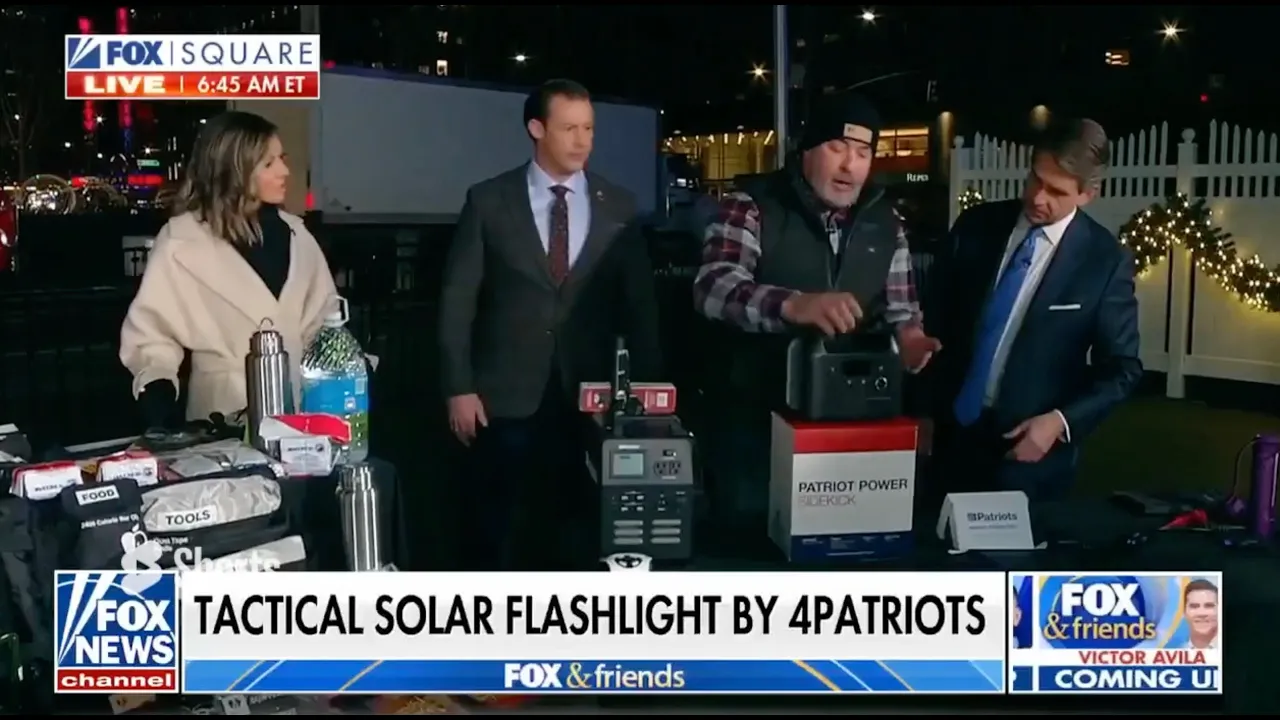
Top Emergency Essentials
References & Resources:
- National Oceanic and Atmosphere Administration (NOAA): What's the Difference Between a Hurricane Watch and a Warning?
- NOAA: Prediction remains on track for above-normal Atlantic hurricane season
- NOAA: Find your Evacuation Zone
- National Hurricane Center (NHC): Tropical Cyclone Climatology
- NHC: Storm Surge Products
- NHC: How to Use the Cone Graphic
- Ready.gov: Evacuation
- Federal Emergency Management Administration (FEMA): The National Risk Index
- FEMA: Know Your Alerts
- Environmental Protection Agency (EPA): Emergency Disinfection of Drinking Water
- Center for Disease Control (CDC): Keep Food Safe After a Disaster or Emergency