

Polar Vortex Survival Guide
Quick Read: Polar Vortex Survival Essentials
A Polar Vortex isn’t just another winter storm, it’s a fast-moving, high-risk cold weather event that can overwhelm power grids, freeze plumbing and turn small oversights into serious emergencies. If extreme cold is in the forecast, focus on the fundamentals:
- Prepare your home early by protecting pipes, sealing drafts and knowing where your main water shut-off valve is
- Plan for power outages and be ready to heat people, not entire houses
- Stock at least 72 hours of food and water that require little or no cooking
- Dress in layers, stay dry and watch closely for signs of frostbite or hypothermia
- Avoid travel whenever possible; if you must drive, treat your vehicle like a survival shelter
Preparation made before temperatures plunge is what keeps uncomfortable situations from becoming dangerous ones.
When a Polar Vortex is forecasted, we’re not talking about a routine winter cold snap.
We’re talking about record-breaking Arctic air that can plunge temperatures to -30°F or colder in a matter of hours, often overwhelming power grids, freezing plumbing solids and turning everyday tasks into life-threatening risks.
Unlike hurricanes, where the main dangers are wind and flooding, a Polar Vortex is a battle against heat loss. The moment the power goes out, your home begins losing its ability to protect you.
This guide explains what a Polar Vortex really is, how to prepare your home and family before it hits, what not to do during extreme cold and how to stay safe until temperatures finally rise.
What Is a Polar Vortex and Why Is It So Dangerous?
When people hear the term “Polar Vortex,” it often sounds abstract or overblown, just another weather buzzword. But the reality is far more serious. A Polar Vortex event can overwhelm power grids, freeze infrastructure and turn ordinary homes into dangerous environments almost overnight. Understanding what it is and why it’s different from a typical winter storm, is the first step toward staying safe when extreme cold moves in.
A Polar Vortex is a large area of low pressure and extremely cold air that normally spins around the Earth’s poles. It always exists, but during winter, it can stretch or shift, allowing Arctic air to surge south into the United States.
When that happens, temperatures can fall dramatically in just hours.
What makes a Polar Vortex especially dangerous is that:
- Extreme cold kills power infrastructure
- Homes lose heat faster than most people expect
- Carbon monoxide exposure becomes a serious risk
- Emergency services can be delayed or unreachable
In short: cold is quiet, fast and unforgiving.
Understanding Winter Weather Alerts: Watch vs. Warning
Winter storms don’t arrive unannounced. Long before the cold hits, weather alerts begin appearing on phones, TV screens and social feeds. The problem is that many people don’t know how to interpret them, or worse, they tune them out. In a Polar Vortex, misunderstanding a “watch” versus a “warning” can mean missing your last safe window to prepare.
- Wind Chill: This is how cold it feels on exposed skin due to wind pulling heat away from your body. At a wind chill of -25°F, frostbite can occur in as little as 15 minutes.
- Winter Storm Watch: Severe winter conditions are possible within the next 36–48 hours. This is your get-ready signal.
- Winter Storm Warning: Dangerous winter weather is occurring or imminent. This is your take-action signal. Travel should be avoided.
- Blizzard Warning: Sustained winds or gusts of 35 mph or more, combined with blowing or falling snow that reduces visibility to less than ¼ mile for at least 3 hours.
- Ice Storm Warning: Often more dangerous than snow. Ice accumulations of ¼ inch or more can snap power lines and tree limbs, causing prolonged outages.
Phase 1: Protecting Your Home From the Deep Freeze
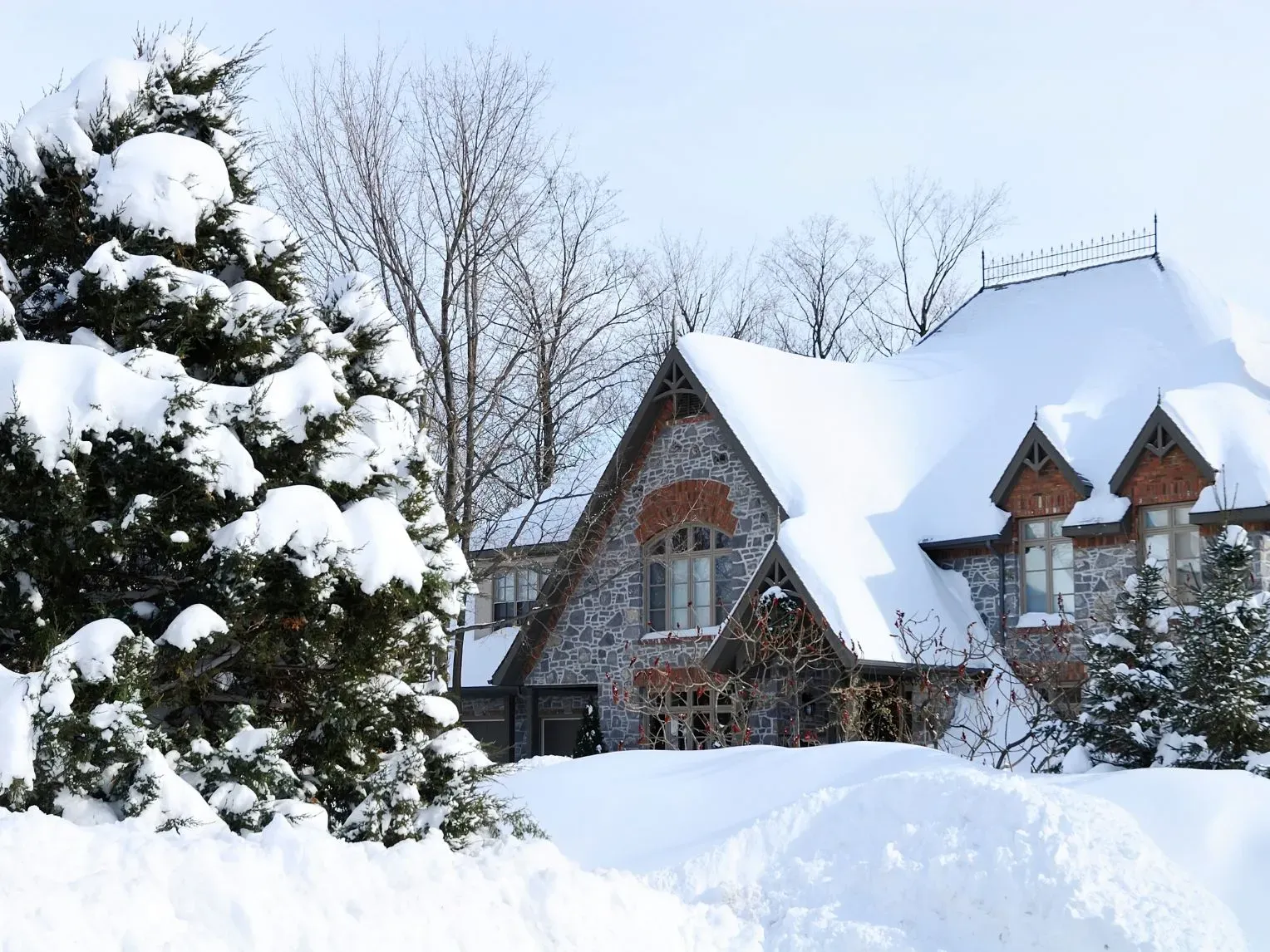
Your home is designed to keep you comfortable, but not invincible. In extreme cold, even small weaknesses can turn into major problems, especially when it comes to plumbing and heat loss. Taking a few preventive steps before temperatures drop can save you from burst pipes, costly water damage and dangerous indoor conditions.
The Three-Point Pipe Protection System
Frozen pipes are one of the most common and expensive failures during extreme cold. When water freezes, it expands. If that expansion happens inside your plumbing, pipes can crack or burst, often flooding the home once temperatures rise.
- Turn faucets on to a slow, steady drip. Even a small movement of water makes freezing far less likely, especially on exterior-facing walls.
- Open cabinet doors under sinks to allow warm household air to circulate around pipes hidden behind walls. This is especially important overnight, when temperatures are lowest.
- Wrap exposed pipes in unheated areas like crawlspaces, garages, or attics with foam insulation sleeves. If supplies are limited, towels secured with tape are far better than leaving pipes exposed.
Seal the Envelope: Stop Heat Loss
Heat escapes through tiny gaps faster than most people realize. Sealing drafts helps your home hold onto warmth longer if the power goes out.
- Place door snakes or rolled towels at exterior doors
- Cover drafty windows with clear plastic sheeting to create an insulating air pocket
Outdoor Freeze Checklist
Outdoor plumbing is especially vulnerable during a Polar Vortex.
- Disconnect garden hoses
- Shut off interior valves to outdoor spigots
- Drain sprinkler systems
Phase 2: How to Stay Warm If the Power Goes Out
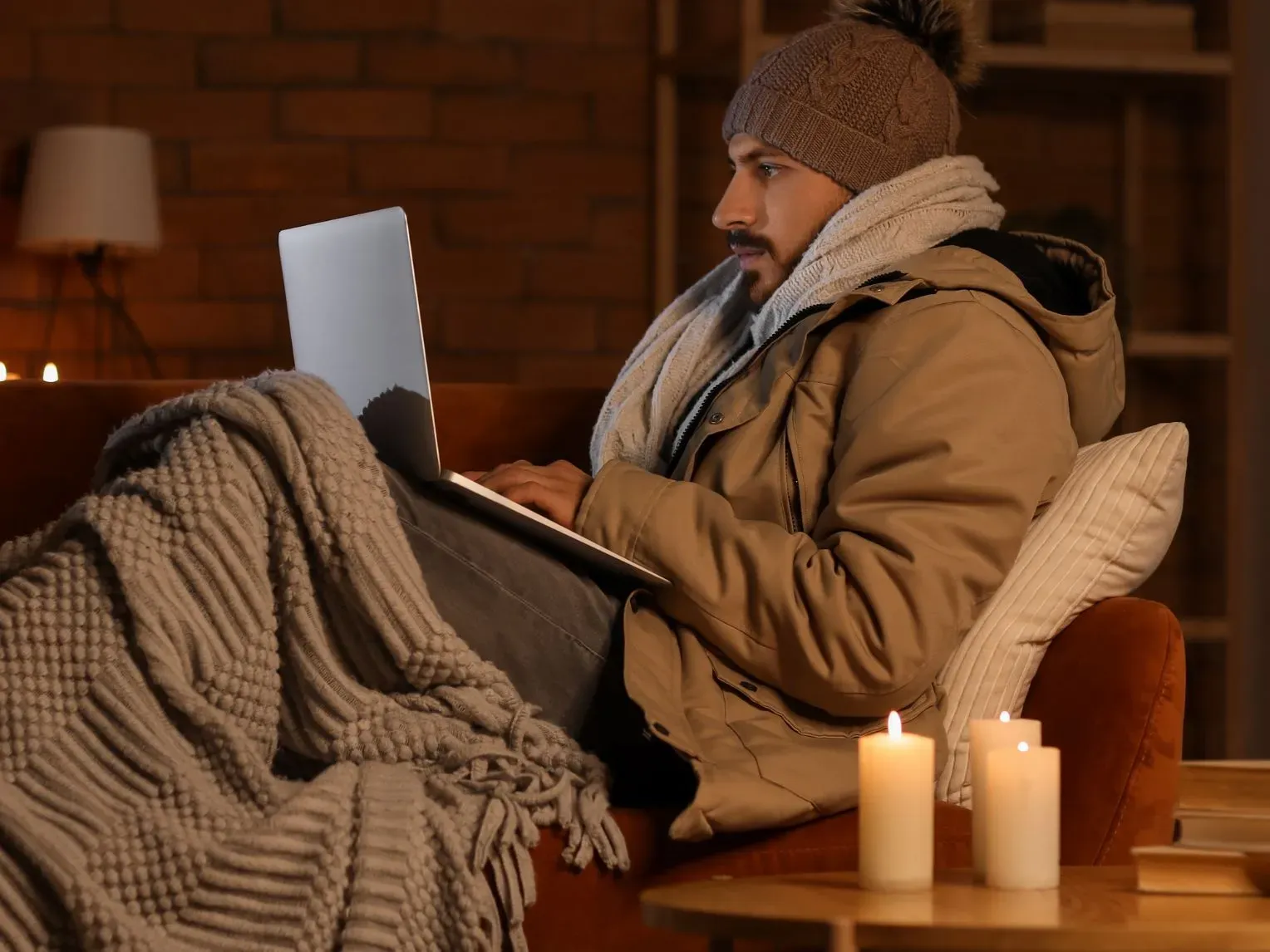
One of the biggest dangers during a Polar Vortex isn’t the cold itself, it’s losing the ability to fight it. When the power goes out, furnaces shut down, space heaters stop working and homes begin cooling rapidly. At that point, survival depends on conserving heat, using safe alternatives and knowing what mistakes to avoid.
Heat the Person, Not the House
When electricity fails, most homes cannot retain heat for long. Trying to warm the entire house wastes precious energy and effort. Instead, concentrate warmth where it matters most.
Choose one central room with the fewest windows and turn it into your warm room. Close off unused rooms, block drafts and keep everyone together to share body heat.
The Indoor Tent Hack
A simple camping tent set up inside your warm room can trap body heat and create a noticeably warmer sleeping environment. This technique is especially effective overnight, when temperatures are lowest and energy levels drop.
Safe Heat Sources
Alternative heat can save lives, but only if used correctly. Use propane or kerosene heaters only if they are rated for indoor use and always keep a working carbon monoxide detector nearby.
Never use ovens, charcoal grills, or outdoor generators indoors. Carbon monoxide is colorless, odorless and can build to deadly levels in minutes.
Dress for Survival
Clothing is one of your most reliable heat sources.
- Base layer: Moisture-wicking fabric (never cotton)
- Mid layer: Wool or fleece to trap heat
- Outer layer: Windproof shell to prevent heat loss
Phase 3: The Polar Vortex Pantry (72+ Hours)
Extreme cold often traps families indoors longer than expected. Power outages, icy roads and delayed emergency services can make even short storms last days. Your food plan should support energy, warmth and simplicity.
Focus on foods that are high-calorie, shelf-stable and require little or no cooking.
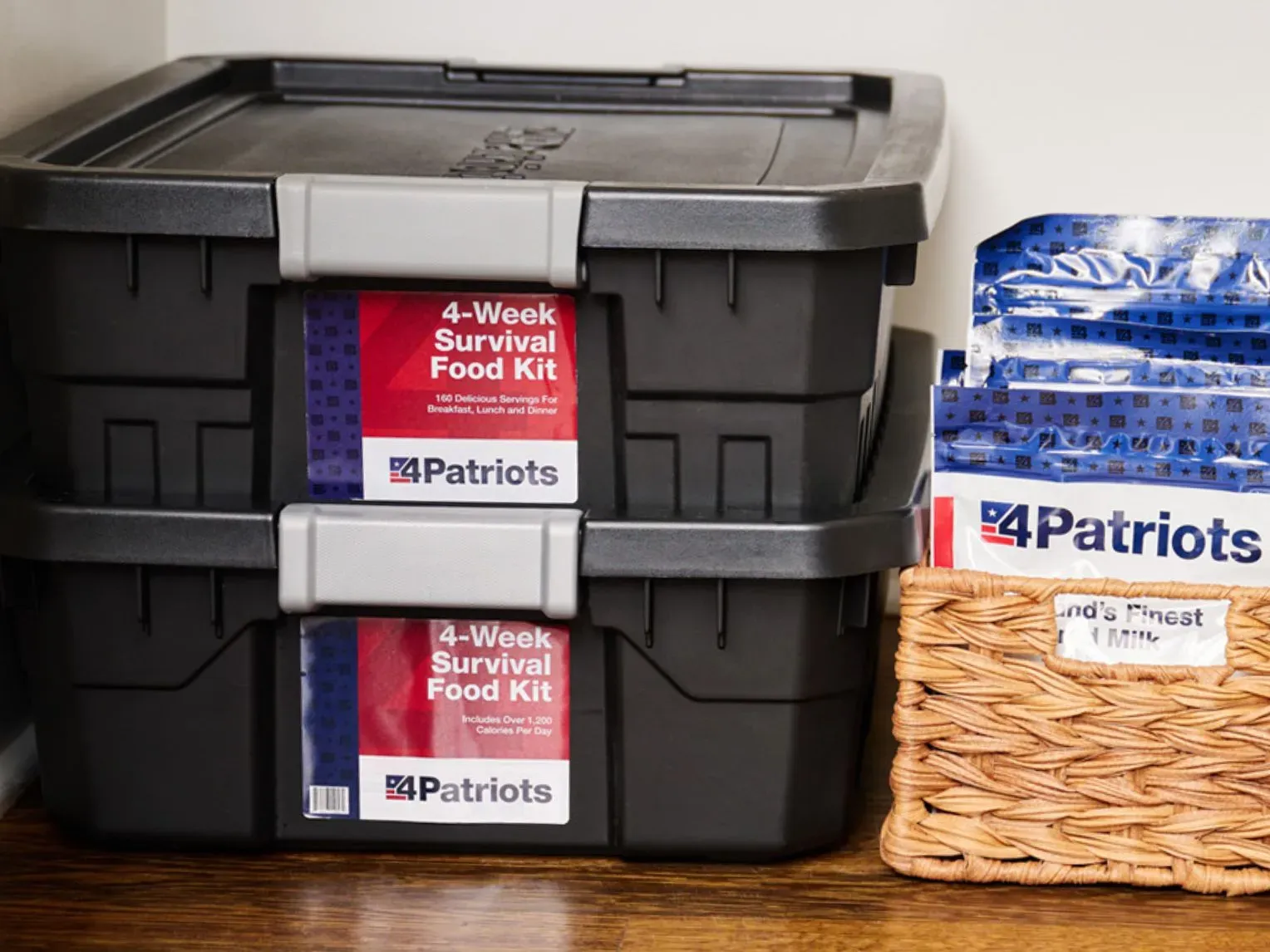
- Emergency food kits with long shelf-lives
- Proteins: Peanut butter, canned tuna or chicken, beef jerky, protein bars
- High-energy foods: Trail mix, dried fruit, dark chocolate (calorie-dense and morale-boosting)
- Water: Plan for at least 1 gallon per person per day. Do not eat snow, it lowers core body temperature. Melt and boil it first.
- Pets: Extra pet food (they burn more calories staying warm) and pet-safe ice melt
Cold Weather Safety Mistakes That Can Turn Deadly
Extreme cold doesn’t always look dangerous. There’s no rising water or visible flames, just quiet conditions that slowly drain heat from your body. That’s why cold-related injuries often happen when people underestimate the risk or ignore early warning signs.
Wet Cold vs. Dry Cold
Cold alone is dangerous, but moisture makes it deadly. Water conducts heat away from the body 25 times faster than air. That’s why sweat-soaked clothing or melting snow can rapidly drop body temperature.
If you’re shoveling snow and start sweating, unzip or remove layers immediately. Staying dry is just as important as staying warm.
Frostbite
Frostbite occurs when skin and underlying tissue freeze.
Early symptoms include redness or pain, followed by numbness, pale or grayish skin and a waxy or firm texture. Do not rub frostbitten areas, as this can cause permanent damage. Instead, warm slowly using warm, not hot, water.
Hypothermia
Hypothermia happens when the body loses heat faster than it can produce it, dropping core temperature below 95°F.
Warning signs include intense shivering, confusion, slurred speech and clumsiness. Warm the center of the body first (chest, neck, head, groin) and seek medical help immediately.
:fill(white)/catsy.1040/2601-BLOG-CAR-WINTER-1529X1146.webp)
Vehicle Safety During a Polar Vortex
Cars aren’t just transportation during winter storms, they’re potential lifeboats. If you’re forced to travel or become stranded, your vehicle may be your only shelter.
- Keep your gas tank at least half full
- Clear snow from the exhaust pipe
- Carry traction aids like sand or kitty litter
The Winter Car Survival Kit Everyone Should Have
Extreme cold drains batteries, reduces visibility and makes delays dangerous. A winter car survival kit gives you warmth, visibility and options when help is far away.
- Shovel and traction aids
- Mylar and wool blankets
- High-calorie snacks
- Flashlight, power bank, flares
If You’re Stranded in Extreme Cold: Follow These Rules
Panic wastes fuel and heat. Knowing what to do helps you stay alive until help arrives.
- Stay with your vehicle
- Run the engine 10 minutes per hour
- Clear the tailpipe every time
Final Vehicle Check Before Temperatures Drop
- Check tire pressure
- Use winter-rated washer fluid
- Inspect wiper blades
Frequently Asked Questions About Polar Vortex Storms
What is the difference between a Polar Vortex and a regular winter storm?
A regular winter storm may bring snow or cold temperatures, but a Polar Vortex involves Arctic air plunging far south, often bringing record-breaking cold, dangerous wind chills and widespread power outages. The risks escalate faster and last longer.
How cold can it get during a Polar Vortex?
Temperatures can drop to -30°F or colder and wind chills can make it feel even more dangerous. At wind chills of -25°F, exposed skin can develop frostbite in as little as 15 minutes.
Should I drip faucets during a Polar Vortex?
Yes. Letting faucets drip helps prevent pipes from freezing and bursting because moving water is less likely to freeze than standing water, especially during prolonged extreme cold.
Is it safe to use a propane or kerosene heater indoors?
Only heaters specifically rated for indoor use should be used and only with a working carbon monoxide detector nearby. Never use gas ovens, charcoal grills, or outdoor generators indoors.
How long should I be prepared to stay home during extreme cold?
Plan for at least 72 hours without leaving your home. Severe cold, ice and power outages can make roads impassable and delay emergency services.
Can I eat snow if I run out of water?
No. Eating snow lowers your core body temperature. Snow should be melted and boiled first before drinking.
What should I do if my power goes out in extreme cold?
Consolidate everyone into one warm room, block drafts, layer clothing and use safe heat sources only. Focus on conserving body heat rather than heating your entire home.
Is it safer to stay in my car if I’m stranded during a Polar Vortex?
Yes. Your vehicle provides shelter and visibility. Stay inside, run the engine for heat for short intervals and always keep the exhaust pipe clear of snow.
Why is carbon monoxide such a big risk during winter storms?
People often use alternative heat sources during outages. Improper use or blocked exhaust vents can cause deadly carbon monoxide buildup, often without any warning signs.
Do I need a backup power source during a Polar Vortex?
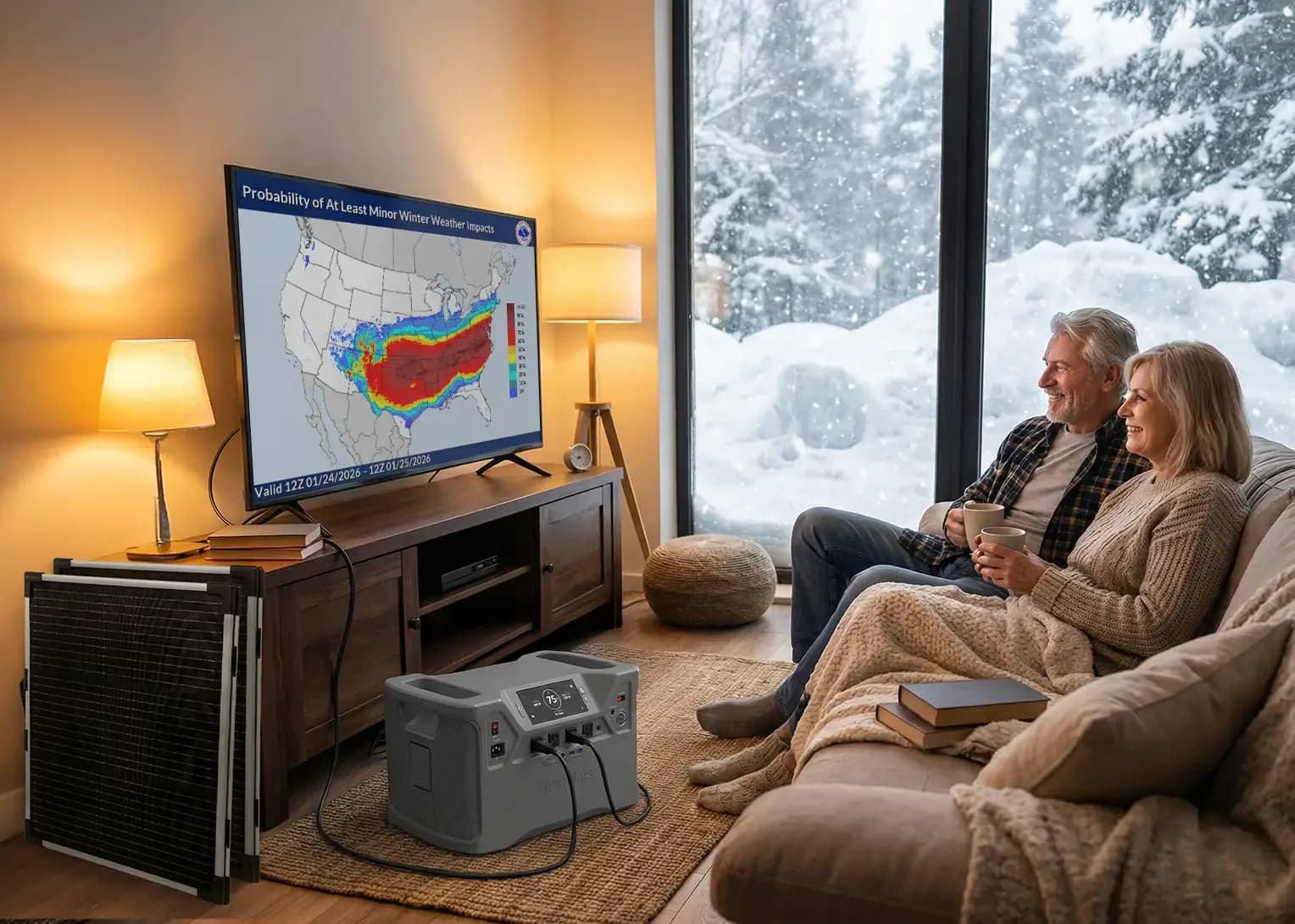
Backup power can be extremely helpful during prolonged outages, especially for running medical devices, charging phones, powering lights, or operating small appliances safely. Even limited electricity can significantly improve comfort and safety during extreme cold. Solar generators provide safe, fume-free back-up power that you can use indoors.
What type of emergency food works best in extreme cold?
Calorie-dense, shelf-stable foods that require little or no cooking are ideal. In cold conditions, your body burns more calories just to stay warm, making dependable emergency food an important part of winter preparedness.
Are portable solar generators useful in winter storms?
Yes. While solar charging may be limited during heavy storms, portable solar generators can still provide stored power for essential needs like lighting, communication and medical equipment, especially if batteries are fully charged ahead of time.
Final Thoughts: Cold Doesn’t Forgive, Preparation Saves Lives
Extreme cold doesn’t arrive with drama, but it demands respect. A Polar Vortex can turn everyday homes, vehicles and routines into hazards faster than many people expect.
The families who make it through these events safely are rarely the ones scrambling at the last minute. They’re the ones who prepared early, understood the risks and made thoughtful decisions before temperatures plunged.
Cold is unforgiving, but with the right knowledge and preparation, it is manageable. Taking action now helps ensure that when the Arctic air arrives, you and your family are ready to weather it safely.