

Outsmarting Food Spoilage During a Blackout
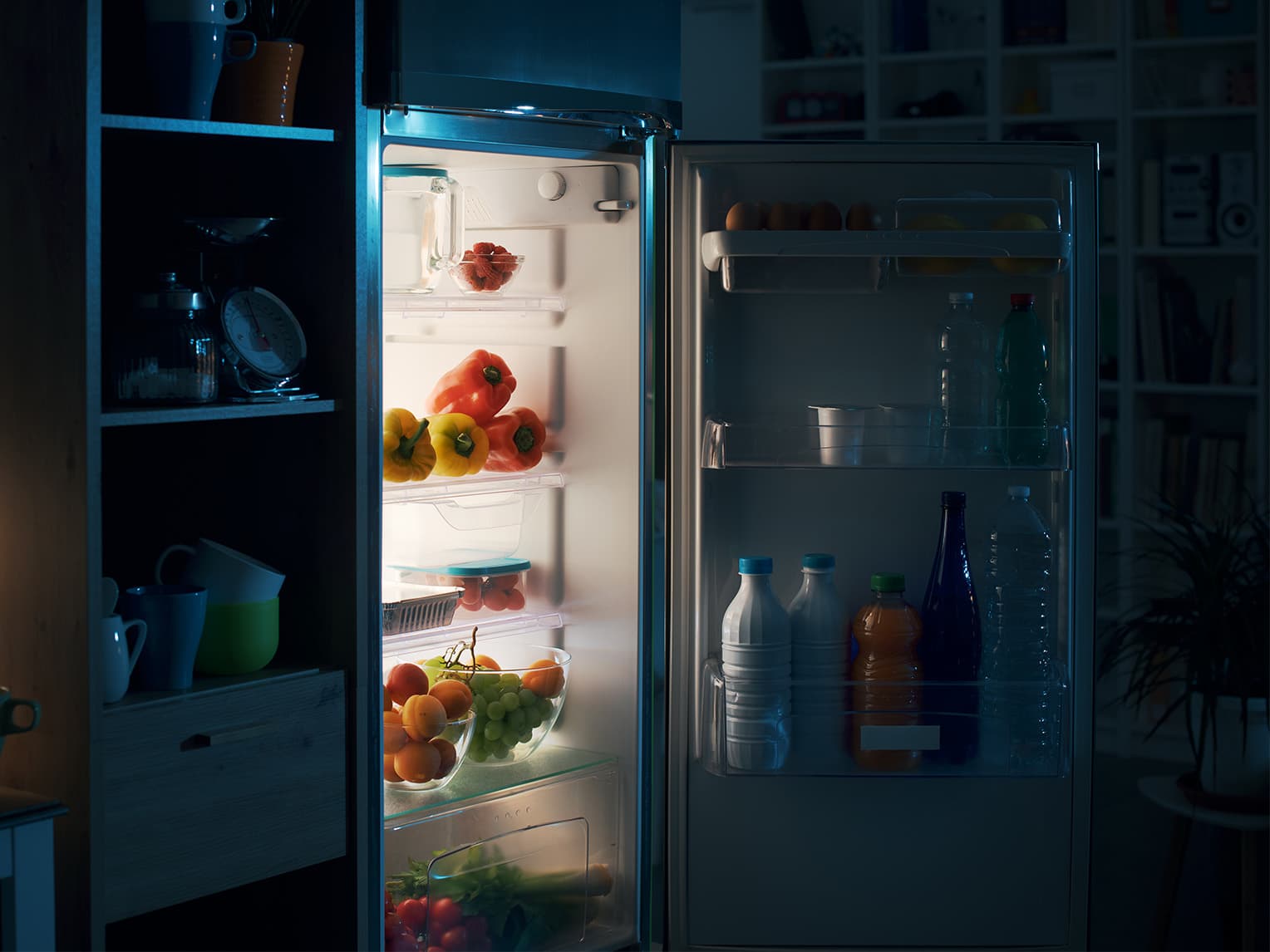
It’s 8:00 PM on a Tuesday. The wind is howling outside when a transformer blows and your home suddenly goes quiet. The lights are out. The clock on the stove is blank. In moments like this, most families think about flashlights and candles. But a smarter question is this: how much money is sitting inside your refrigerator right now?
When the power goes out, a silent countdown begins. It’s a race between temperature, bacteria, and time. Understanding how that race works can mean the difference between saving hundreds of dollars in groceries or throwing it all away.
Understanding the “Danger Zone”
The USDA defines the Danger Zone as 40°F to 140°F. Within this range, harmful bacteria like Salmonella and E. coli can double in number every 20 minutes. That growth cannot be smelled, seen, or tasted.
What makes this especially concerning is that bacterial growth cannot be seen, smelled, or tasted. Food may look completely normal and still be unsafe. This is why relying on the “sniff test” during a power outage is risky.
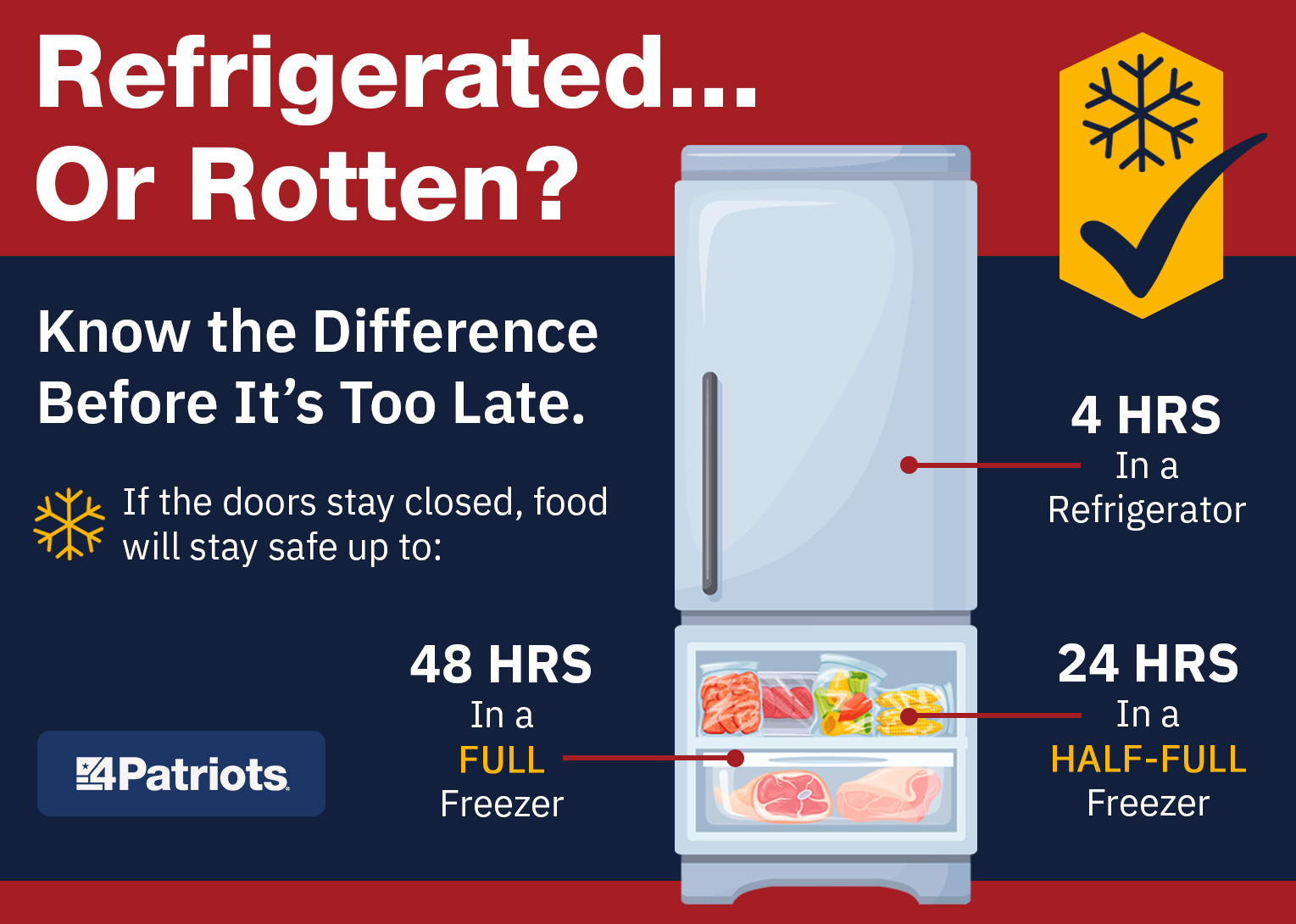
Refrigerated food generally remains safe for about four hours if the door stays closed. After that point, temperatures begin rising above 40°F. Once perishable food has been above that temperature for more than two hours (or one hour if the surrounding temperature is above 90°F), it may no longer be safe to eat.
Freezers perform better due to thicker insulation. A full freezer can maintain a safe temperature for approximately 48 hours if unopened. A half-full freezer will typically hold for about 24 hours. After that, thawing begins, and food safety becomes uncertain.
Why the “Sniff Test” Fails
- Food can look and smell fine but still be unsafe.
- Soft cheeses, cooked meat, and leftovers are especially risky.
- Once food enters the Danger Zone, bacteria multiply quickly - even in foods that seem okay.
The Financial Cost: What’s Behind That Door
Many families underestimate the value of the food stored in their refrigerator and freezer. Yet the average household often has between $500 and $900 worth of groceries at any given time. Expensive bulk meat purchases, frozen meals, dairy products, fresh produce, and leftovers quickly add up.
When an extended outage occurs, that food represents more than convenience - it represents real money. Losing it can strain a family’s budget, especially during times of rising grocery costs.
Thinking of your refrigerator as a short-term food savings account helps put the risk into perspective. Protecting that food is not just about avoiding waste; it is about protecting your investment.

5 Smart Tips to Protect Your Food
1. Fill Empty Spaces
A full fridge stays cold longer. If your fridge is a bit empty, fill gaps with water bottles or jugs. They act like “ice packs” and help keep the cold in when the power goes out.
2. Frozen Cup Test
Freeze a cup of water with a penny on top. After an outage, check it. If the penny has sunk, the freezer thawed and refroze - those foods are no longer safe to eat.
3. Use a Cooler for Valuable Items
If you know the outage may last a while, move high-value foods (like raw meats or medications that require refrigeration) into a quality cooler with ice packs. This lets you access essentials without opening the main fridge and losing cold air.
4. Keep the Door Closed
Every time you open the fridge or freezer, cold air escapes and warm air rushes in. Only open the door when absolutely necessary. Treat the fridge like a sealed container during an outage.
5. Invest in Reliable Backup Power
Preparation goes further when you have a dependable backup power source. A portable generator or dedicated backup system - like the first of its kind Blackout Buddy - can keep your refrigerator running safely during extended outages. Even short, controlled power sessions can dramatically extend how long food stays below 40°F.
Having backup power in place before a storm or grid failure turns a potential food loss into a manageable inconvenience - and protects both your grocery budget and your family’s health.
Frequently Asked Questions About Food Safety During a Power Outage:
Can I use dry ice to keep my freezer cold?
Yes. Place dry ice on top of food in the freezer for extra cooling, but handle with gloves and ventilation.
Is it safe to eat canned goods after a blackout?
Yes. Most canned foods are shelf-stable and remain safe unless the can is damaged, swollen, or leaking.
Can I use ice from the freezer to keep things cold?
Yes. Ice packs or ice from the freezer can maintain safe temperatures in a cooler or partially filled fridge.
What about condiments and sauces—do they need refrigeration?
Most condiments are shelf-stable for a short time, but items like mayonnaise or dairy-based sauces should be discarded if above 40°F for more than 2 hours.
What should I do if my freezer partially thaws?
If ice crystals remain and temperature stayed below 40°F, refreeze or cook food immediately. Otherwise, discard.
Are fruits and vegetables safe without power?
Most fruits and veggies last longer than dairy or meat, but soft or cut items should be monitored carefully.
Does unplugging the fridge help save energy?
Only if using power cycling with a thermometer. Otherwise, keeping the fridge closed without power is sufficient.
Can I prepare now to reduce spoilage risk?
Yes. Freeze water bottles, group food together for thermal mass, and ensure backup power is ready.
What’s the fastest way to cool food once power returns?
Refrigerate immediately and spread items out so air can circulate. Avoid stacking hot items together.
Knowledge Is the Best Backup
Time equals bacteria. Temperature equals money. By understanding the Danger Zone, calculating your potential grocery loss, and using Power Cycling wisely, families can approach blackouts with a plan.
Preparation doesn’t require fear - it requires knowledge.
When the lights go out, smart families protect their food, health, and wallet.