Hackers, Drought, and Chemicals: What's Really in Your Water
Water is easy to take for granted. You turn the tap. It comes out. Done.
But lately, the news tells a different story. Across the country, water is making headlines for all the wrong reasons. Drought. Hackers. Chemicals. Big fights over who gets what.
None of it is meant to scare you. It's meant to help you see clearly. Because the folks who stay calm in a crisis are the ones who saw it coming.
Here are six water stories worth knowing about — and one simple thing you can do about each.

1. Hackers Are Going After Our Water
This one flew under the radar. Back on July 30, the FBI, EPA, and CISA put out a warning. Someone had broken into water systems across the country.
At least a dozen states were hit. In Minnesota alone, more than 30 community water systems were affected. Down in Georgia, one attack caused a water pressure drop for a system that serves 300,000 people. They had to issue a boil-water advisory.
Investigators believe the hackers may be backed by Iran. The good news? The water itself stayed safe. But operators lost remote control and had to run things by hand.
The lesson is simple. Even our water can be a target now. Having your own clean water backup isn't paranoid. It's smart.
2. Puerto Rico Is Running Dry
Right now, more than 180,000 homes and businesses in Puerto Rico are living on a brutal schedule. The water gets shut off for 48 hours at a time. Sometimes 72.
Why? July 2026 was the driest month there in over 120 years. On top of that, the island loses about 65% of its water to old, leaky pipes. Decades of neglect finally caught up.
"It's brutal," one resident said. "It's unbelievable to live through this today."
Governor Jenniffer González says they're working with federal agencies to help. But there's no end date yet.
It's a hard reminder. Aging pipes and dry skies can hit anyone. When the tap stops, having water stored and a way to clean more makes all the difference.
3. Lake Mead Just Hit Rock Bottom
Lake Mead is the biggest reservoir in the country. On August 8, it dropped to 1,040.4 feet. That's the lowest level since the lake was first filled about 90 years ago.
More than 40 million people across seven states, tribal nations, and Mexico depend on the Colorado River that feeds it.
The cause? The worst snowpack on record, plus years of overuse and rising heat. Less snow in the mountains means less water down the line.
You may not live near Lake Mead. But when a water source this big shrinks, the ripples reach food prices, farms, and power. It pays to be ready.
4. Seven States Can't Agree on the Colorado River
Here's the fight behind that shrinking lake. Seven states share the Colorado River: Arizona, California, Nevada, Colorado, Utah, Wyoming, and New Mexico.
The lower states want everyone to cut back. The upper states are saying no. They already missed a federal deadline this year and still can't agree.
If they don't work it out, the federal government may step in and decide for them. Nobody wants that.
The takeaway for regular folks? When the people in charge are still arguing, you don't wait around. You get your own house in order.
5. AI Data Centers Are Thirsty — Really Thirsty
This is the new one on the block. Those big AI computer centers use a lot of water to stay cool. And I mean a lot.
A single large data center can drink up to 5 million gallons a day. In Northern Virginia, home to hundreds of these centers, they used nearly 2 billion gallons in one year.
Here's a number that sticks with you. Researchers say every 100-word answer from an AI chatbot uses about one bottle of water. Multiply that by billions of questions a day.
Now picture that happening in a town already short on water. Neighbors are starting to ask a fair question: who gets the water first — families, or the machines?
6. "Forever Chemicals" in the Tap
Last one, and it's close to home. A recent study found that nearly half of all tap water in the U.S. contains "forever chemicals," also known as PFAS. They're called that because they don't break down. They can build up in your body over time.
And in 2026, the EPA has been moving to loosen some of the limits on these chemicals in drinking water. Whether you agree with that or not, it means the job of keeping your water clean may fall more on you.
You can't see PFAS. You can't taste them. That's what makes a good filter worth having.

The Common Thread
Look at all six stories. Drought. Hackers. Old pipes. Chemicals. Political fights. Thirsty machines.
They're all different. But they point to the same truth: you can't fully count on the tap. Not always. Not everywhere.
That's not doom talk. It's just honest. And the good news is, this is one problem you can get ahead of.
Store some clean water. Keep a way to filter more. Know that no matter what the headlines say next week, your family can still pour a safe glass of water.
Because peace of mind doesn't come from the news. It comes from being ready.
Ready to take control of your family's water?
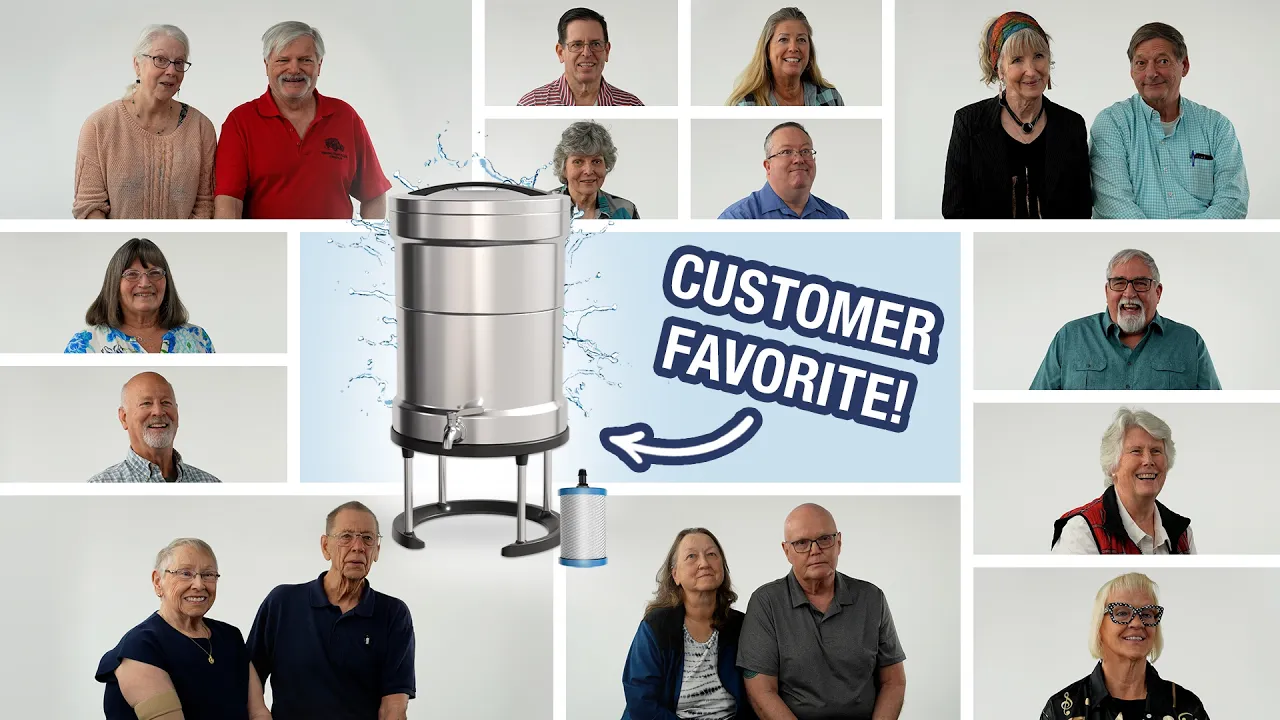
The Patriot Pure Water Filtration System is now certified by NSF to meet three different NSF testing protocols. These certifications prove that your water filter reduces extremely dangerous contaminants.
- NSF 42: Things that make water taste, smell and look bad. Chlorine, sediment, dirt and other gunk.
- NSF 53: Things that cause health defects. Including lead, mercury, arsenic, giardia & harmful chemicals.
- NSF 401: Concerning contaminants — Pharmaceuticals, drug residue, BPAs and much more.
- Plus... certified to be lead-free. NSF / ANSI / CAN standard 372-2022 (Certificate number W-16355).
See how the 4Patriots Ultimate Water Filtration System gives you cleaner drinking water — even when the tap can't.